
understanding affordable housing and family homelessness: a conversation with dr. gregg colburn
What causes homelessness? It’s a question with no shortage of answers.
Job loss, domestic violence, a health crisis, mental illness, or substance use can all play a role in why someone loses their housing. But those individual circumstances don’t tell the whole story.
In a recent Mary’s Place Moments conversation, CEO Dominique Alex sat down with Dr. Gregg Colburn, associate professor at the University of Washington and co-author of Homelessness Is a Housing Problem, to explore the bigger picture behind our region’s homelessness crisis. The conversation was hosted by Blythe, a student member of the Mary’s Place Youth Action Program (YAP).
Together, they discussed what families are experiencing today, why affordable housing matters, how historic inequities shape who is most at risk, and what it will take to create a future where no child sleeps outside.
A crisis we see every day
At Mary’s Place, the scale of the family homelessness crisis is impossible to ignore.
Families searching for somewhere safe to sleep call our emergency intake line every day. Dominique shared that the team receives about 40 to 50 calls a day from families seeking shelter, but often has space for only one or two. “There just is not enough capacity,” Dominique explained. “There’s also not enough housing.”
For families already struggling to make ends meet, one unexpected crisis can quickly become a housing crisis. And once a family loses an affordable home, finding another can be extraordinarily difficult, especially for larger families who need two-, three-, or four-bedroom homes.
Looking beyond individual circumstances
Dr. Colburn explained that focusing only on individual circumstances misses an important part of the equation.
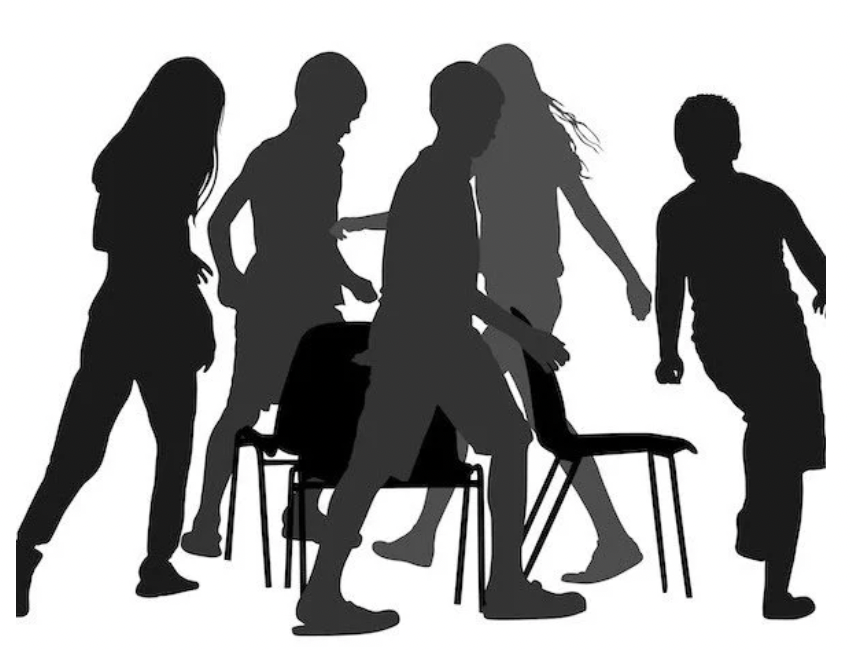
He illustrates this through musical chairs.
Imagine 10 people playing with only nine chairs. When the music stops, someone will inevitably be left standing. We can identify reasons why that particular person didn’t get a chair, but those factors only explain who was left standing.
They don’t explain why someone had to be left standing in the first place.
For that, we have to look at the number of chairs.
Housing works in a similar way. Personal circumstances can make one family more vulnerable to homelessness than another. But when a community doesn’t have enough housing people can afford, someone will inevitably be left without a home.
Who gets left standing?
That raises another important question: When there aren’t enough chairs, who is most likely to be left standing?
Historic policies and practices, including redlining, segregation, racial covenants, and housing discrimination, prevented generations of Black families and other families of color from accessing homeownership and building generational wealth.
Although many of those discriminatory policies are no longer legal, their effects continue today.
“If your grandparents had access to homeownership in the 1940s or ’50s, that wealth just builds over time,” Dr. Colburn explained. “For a lot of families that Dominique and the folks at Mary’s Place serve, historically racist policies denied them that safety net of generational wealth and homeownership.”
That history continues to shape who is most vulnerable to housing instability. The vast majority of families Mary’s Place serves are Black, Indigenous, or people of color, with Black families dramatically overrepresented compared with their share of King County’s overall population.
Families need housing that works for families
King County hasn’t built enough housing, but simply adding units isn’t enough.
The housing has to meet the needs of the people who live here.
Families need homes with enough bedrooms, and they need those homes to be truly affordable. A home considered affordable based on Area Median Income may still be far beyond what a family earning minimum wage, living on a fixed income, or recovering from a financial crisis can afford.
Communities experiencing economic growth need housing strategies that enable families of all income levels and family sizes to continue living and thriving here.
Mary’s Place is working to rectify that at our new campus in Burien.
In partnership with Mercy Housing Northwest, the campus will bring emergency family shelter and permanently affordable housing together in one place, including a Mary’s Place shelter serving up to 200 family members each night alongside permanently affordable apartments.
The housing includes larger two-, three-, and four-bedroom homes, with a portion reserved for families transitioning out of homelessness.
Meeting today’s crisis while working toward a different future
Families experiencing homelessness today still need somewhere safe to go. Mary’s Place responds through a three-pronged approach: Emergency Family Shelter, Mobile Outreach for families living outside, and Homelessness Prevention, which helps families remain in their homes before they experience homelessness.
Prevention can spare children and families the trauma of homelessness while reducing the number of families entering an already overwhelmed shelter system.
Ultimately, Dominique hopes the need for family shelter disappears altogether.
“The big dream is that we no longer need shelter because we’re keeping families in their homes,” she said.
Solving family homelessness takes all of us
There is no single organization, policy, or program that can end homelessness on its own.
Families need support when crises happen. Communities need effective shelter, outreach, and prevention programs. And our region needs enough truly affordable homes for families of all sizes and income levels.
As Dominique put it, “It’s going to take all of us to do this work.”
We can respond compassionately to families who need help today while building a community where fewer families ever experience homelessness in the first place.
Because the goal isn’t simply to manage homelessness.
It’s to make sure every family has the opportunity to remain safely and stably housed, and that no child ever has to sleep outside.